WHEN REBA McENTIRE SANG FOR DOLLY PARTON, 25,000 VOICES FELL SILENT
Introduction
There are moments in music that are remembered because they are spectacular. There are others that remain with us for a very different reason: they are quiet, sincere, and deeply human. The moment described as Reba McEntire singing for Dolly Parton belongs to that second kind. It was not simply a performance. It was a meeting of two remarkable country music legacies, carried by a song and received by thousands of people who understood exactly what that moment meant.
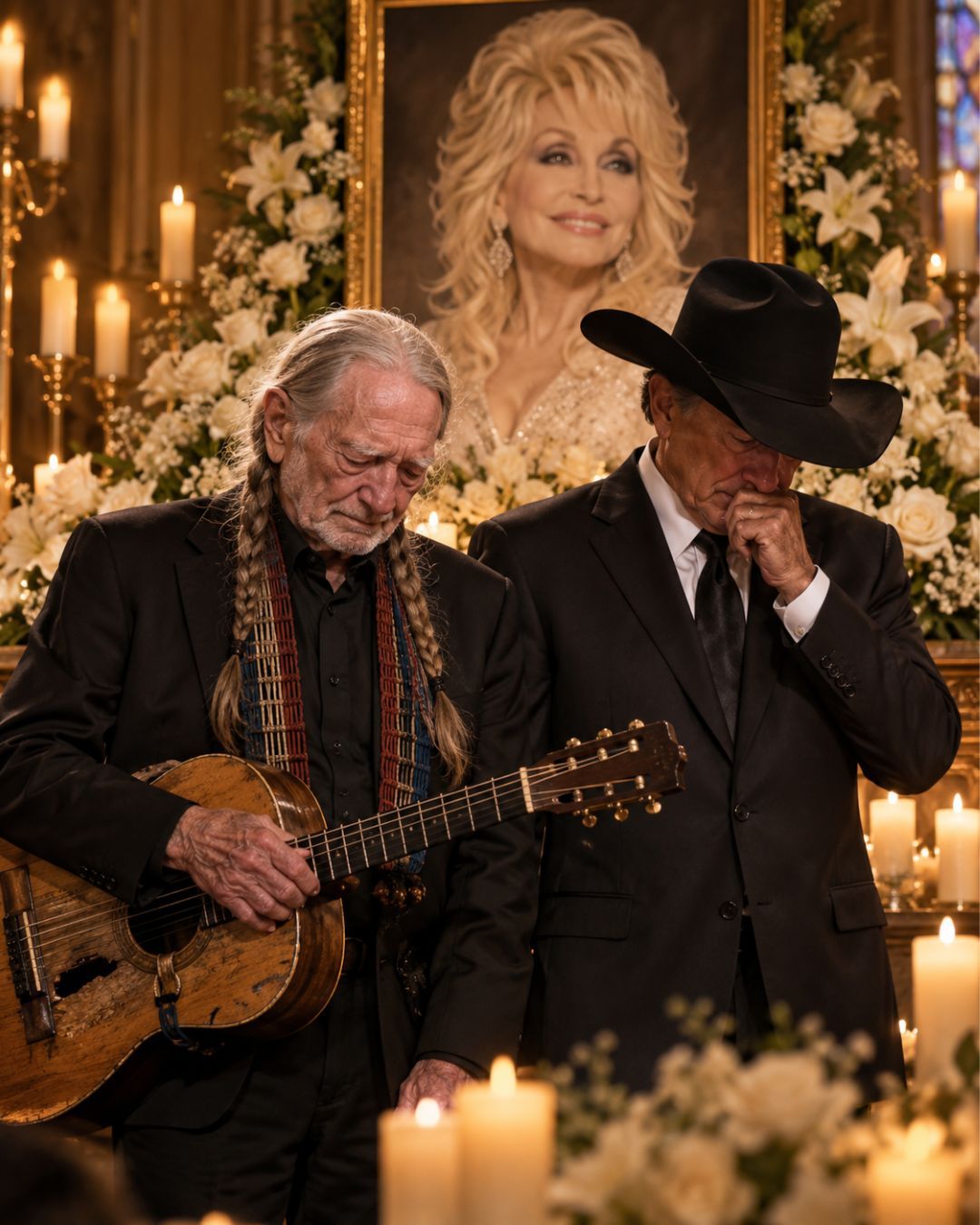
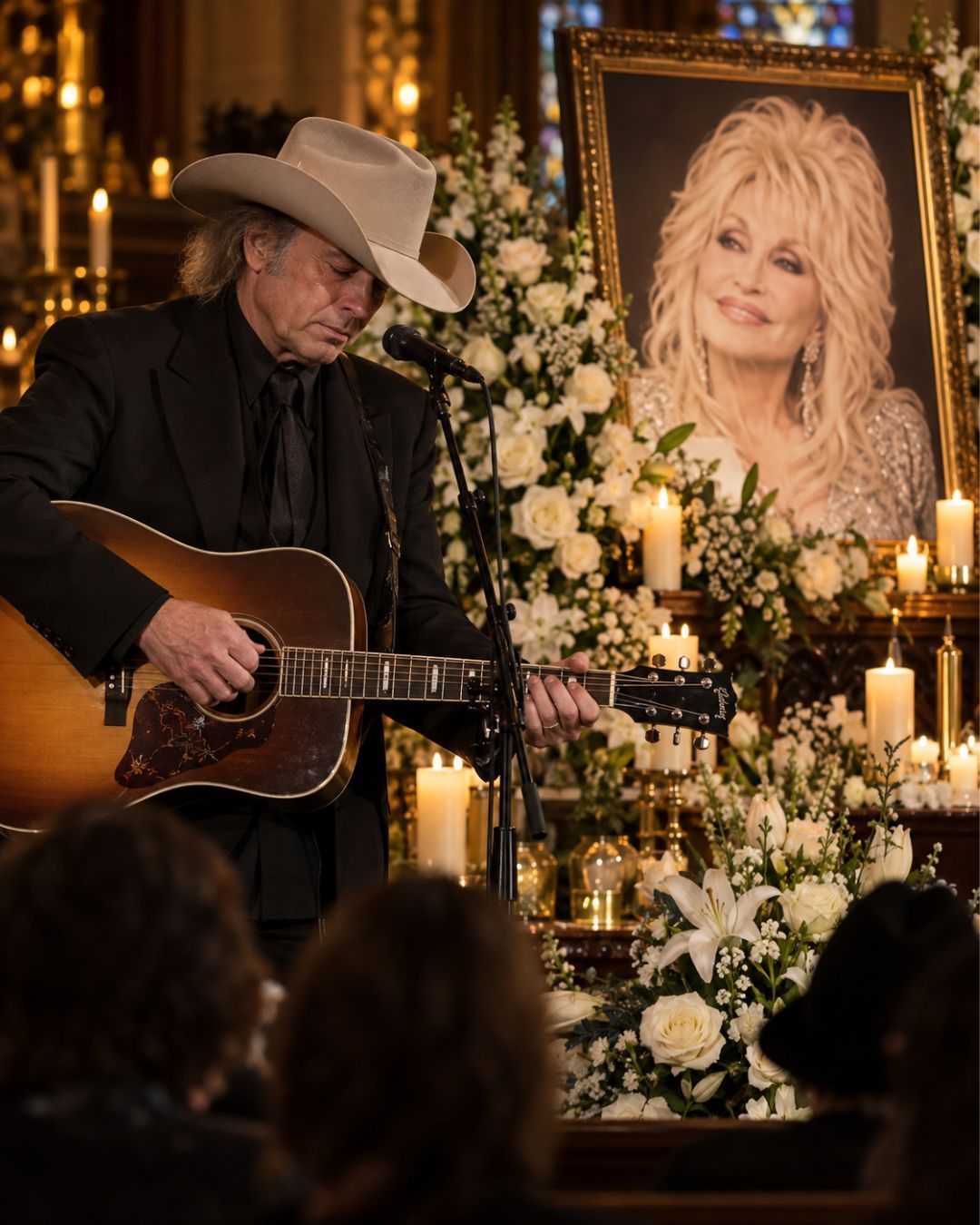
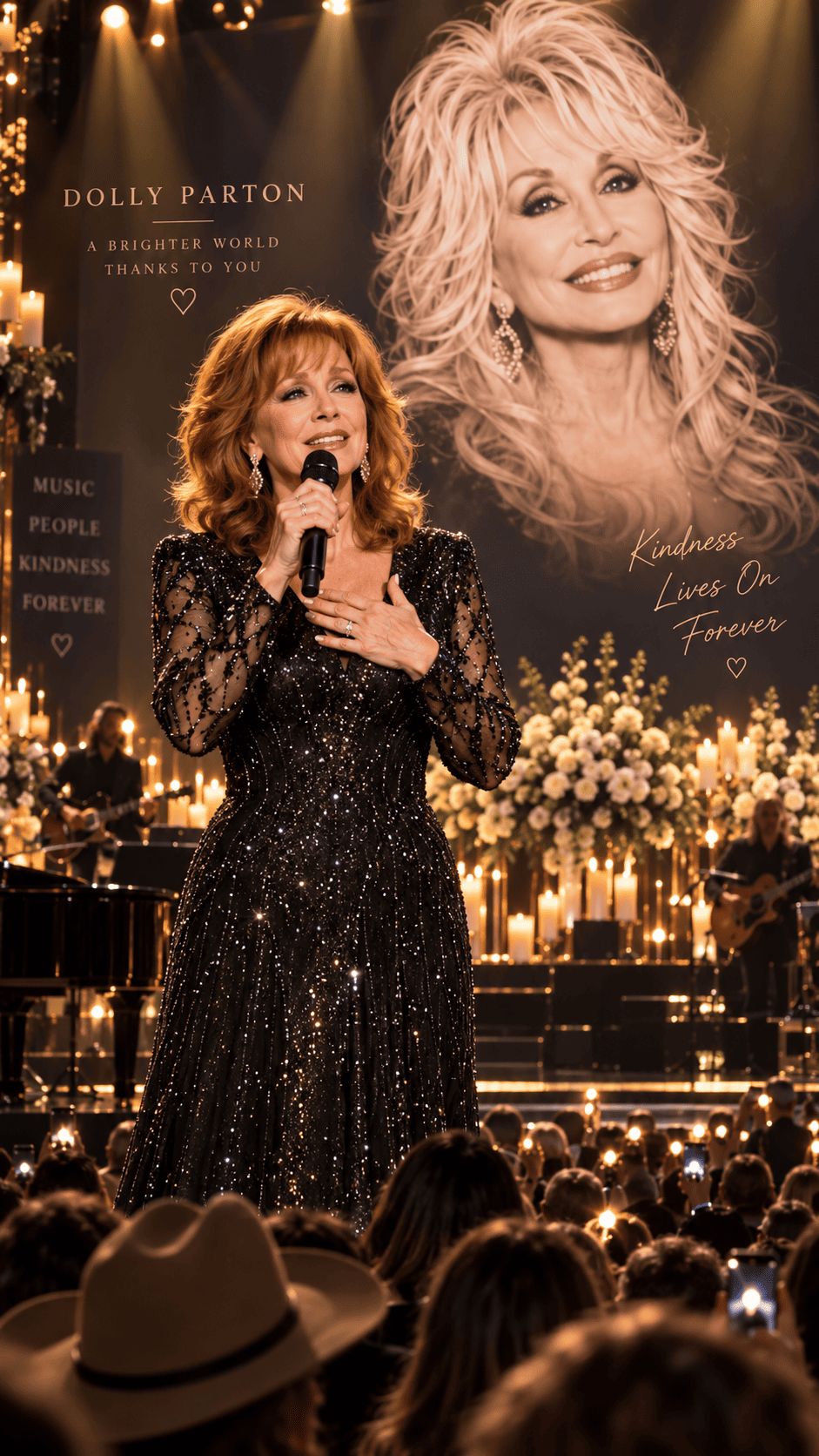
Imagine an arena filled with 25,000 fans. Normally, a crowd that size creates its own energy. Thousands of conversations, cheers, camera flashes, applause, and voices become one enormous sound. Yet when Reba McEntire began to sing, that collective noise reportedly gave way to something far more powerful: silence.
Not an empty silence.
A listening silence.
A silence filled with memory.
For generations of country music listeners, the names Reba McEntire and Dolly Parton represent far more than successful careers. They represent endurance, storytelling, warmth, individuality, and a connection with audiences that has survived changing musical fashions. Their songs have accompanied people through weddings, family gatherings, long drives, difficult seasons, celebrations, and ordinary afternoons when a familiar voice was enough to make someone feel understood.

That history gives a tribute like this unusual emotional weight.
Reba McEntire did not need to explain what Dolly Parton has meant to country music. She did not need a lengthy speech or an elaborate production to establish the importance of the moment. Her voice carried its own history. Decades of performing had given Reba something that cannot simply be manufactured: the ability to communicate emotion with remarkable clarity.
And then came the first notes.
The atmosphere changed.
For those watching, the most striking detail may not have been the size of the arena or the importance of the artists involved. It was the reaction of the audience. 25,000 people became listeners first and spectators second.
That distinction matters.
In an age when major performances can easily become exercises in spectacle, there is something profoundly moving about a singer trusting the song itself. No excessive production is required when the story already carries enough meaning. Sometimes the most memorable musical moments happen when an artist steps back and allows the melody, lyrics, and voice to do the work.
That appears to be what made this tribute so compelling.
Reba McEntire has long been recognized for a voice capable of balancing strength and tenderness. She can deliver a powerful note without losing the intimacy of the story behind it. That quality made her an especially fitting voice for a moment centered on Dolly Parton, whose own career has been built on the extraordinary ability to transform simple stories into songs that feel personal to millions.
For longtime country fans, there is another layer here.
Reba and Dolly belong to a musical tradition in which the singer is not simply an entertainer. The singer is a storyteller, a keeper of memories, and sometimes even a companion during the most important chapters of a listener’s life. Their music has crossed generations because it speaks in a language that does not depend on trends.
A younger listener may discover a Dolly Parton song today. A longtime fan may have carried that same song for forty or fifty years. The melody remains familiar, but its meaning can change with time.
That is the remarkable thing about great music.
We hear it differently as we grow older.
A song that once sounded like a simple story can eventually become a reflection on family, friendship, gratitude, change, and the passage of time. A familiar voice can suddenly remind us of people and places we have not thought about in years.
Perhaps that is why the reported reaction of the crowd feels so significant.
Some listeners reportedly lowered their heads. Others wiped away tears. Many simply stood or sat quietly, allowing the performance to unfold without interruption. In those moments, the audience was not merely watching Reba McEntire sing.
They were remembering.
They were remembering Dolly Parton.
They were remembering the songs.
And perhaps they were remembering their own lives.
That is the extraordinary power of music that has endured across generations. It becomes part of the personal history of the people who hear it.
When the final notes arrived, the silence reportedly remained for a brief moment before the applause began. That pause may have said more than any speech could have said.

Because sometimes applause comes immediately.
And sometimes people need a second to breathe.
The emotional force of the moment was not necessarily found in something dramatic happening onstage. It was found in what happened inside the audience. 25,000 voices became one quiet room, united by respect for an artist whose influence has reached far beyond the boundaries of country music.
For Dolly Parton, a farewell or tribute carries the weight of an extraordinary legacy. For Reba McEntire, singing in that moment becomes more than another appearance. It becomes an acknowledgment from one great artist to another.
And for the people watching, it becomes a memory of their own.
This is why moments like this matter.
Music does not simply disappear when a performance ends. The lights go down. The applause fades. The audience eventually leaves. But the feeling can remain.
Reba McEntire began with one song.
What followed was something much larger: a tribute to Dolly Parton, a celebration of country music’s enduring storytelling tradition, and a reminder that the most powerful performances are not always the loudest ones.
Sometimes, the greatest tribute is the moment when an entire arena becomes quiet enough to listen.
And sometimes, 25,000 people falling silent can say more than 25,000 voices ever could.